Chicago Bathroom Remodeling Pros - Services - Older Plumbing Solutions
Bathroom Remodeling Pros Serving Chicago, IL Neighborhoods
Older Plumbing Solutions
Older Bathroom Plumbing Solutions for Chicago Homes
Older bathroom plumbing can present unique challenges across Chicago’s diverse housing stock. Greystones, Victorians, bungalows, vintage apartments, high-rise condominiums, and townhomes may contain aging galvanized supply pipes, cast iron drain lines, corroded shut-off valves, deteriorated drain assemblies, outdated plumbing vents, or low water pressure. During a bathroom remodel, exposing and evaluating these systems provides an opportunity to identify problems before they become leaks, drainage failures, or more disruptive repairs.
Plumbing improvements can include replacing galvanized or deteriorated piping, upgrading shut-off valves, repairing or replacing cast iron drains, improving venting, addressing low water pressure, and modifying plumbing locations to accommodate new fixtures or an improved bathroom layout. Older homes may require additional attention to existing conditions and connections, while high-rise condominiums can involve shared plumbing systems and building-specific requirements.
Addressing aging plumbing during a bathroom remodel can improve reliability, water flow, drainage, fixture performance, and long-term durability. It can also provide homeowners with greater confidence that new finishes, fixtures, and waterproofing are being installed over a sound and properly functioning plumbing system.
Older Bathroom Plumbing: Features, Options, Materials and Solutions
Older bathroom plumbing in Chicago residences can include a combination of original and previously updated systems. Common materials include galvanized steel supply pipes, copper, cast iron drain and waste pipes, older brass components, aging shut-off valves, and traditional venting systems. The appropriate solution depends on the home's age, previous renovations, plumbing configuration, and condition of the existing system.
Supply Piping
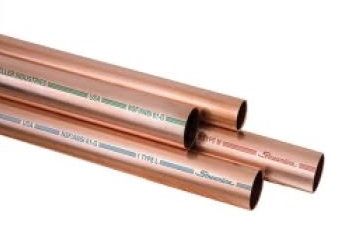
Galvanized steel piping may be found in older homes and can develop internal corrosion that restricts water flow. During remodeling, homeowners may choose to replace deteriorated sections or upgrade accessible supply piping with modern materials such as copper or approved modern plumbing systems. The scope can range from targeted repairs to more extensive replacement when conditions warrant.
Drain and Waste Piping
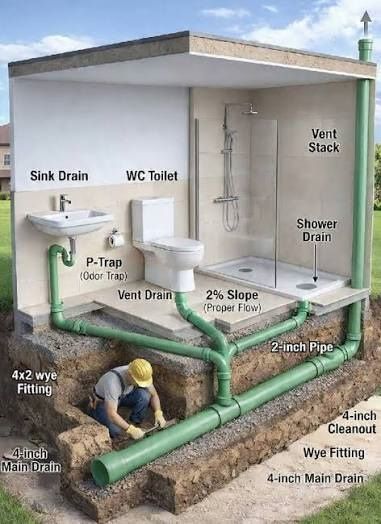
Older bathrooms may contain cast iron drain and waste piping, which can deteriorate internally over time. Homeowners can address damaged or failing sections by repairing or replacing affected piping. Drain improvements can also be coordinated with new showers, tubs, sinks, and toilets when fixture locations are being changed.
Shut-Off Valves and Drain Assemblies
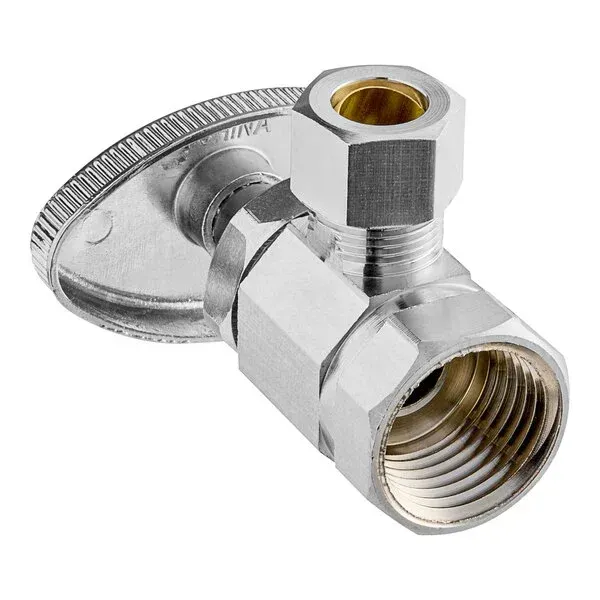
Corroded shut-off valves and aging drain assemblies can create problems when new fixtures are installed. Replacing these components can improve reliability and make future maintenance easier. Homeowners can also upgrade accessible valves and connections while walls, floors, vanities, or fixtures are already being opened during remodeling.
Venting and Water Pressure
Proper plumbing venting helps drainage systems operate correctly and reduces problems associated with slow drainage, odors, or improper trap function. Older homes may also experience low water pressure caused by corroded piping, restricted supply lines, or other conditions. Evaluation can determine whether targeted repairs or broader plumbing improvements are appropriate.
What Can Be Customized or Included?
Homeowners can customize the plumbing scope based on existing conditions and remodeling goals. Work may include
supply-pipe replacement, drain replacement, valve upgrades, plumbing relocation, vent improvements, water-pressure corrections, new fixture connections, and drain modifications. Plumbing can be coordinated with new layouts, walk-in showers, tub-to-shower conversions, vanities, toilets, faucets, and accessibility features. Addressing aging components during remodeling can improve reliability while reducing the likelihood of reopening finished walls or floors later.
Benefits of Replacing Older Bathroom Plumbing
Replacing older bathroom plumbing can improve reliability, water flow, drainage, water pressure, and long-term performance. New supply piping can address corrosion and internal restrictions, while replacing deteriorated cast iron drains can reduce the risk of leaks, blockages, and drainage failures. Upgrading corroded shut-off valves can also make future fixture repairs and emergency water shutoffs easier.
Addressing aging plumbing during a bathroom remodel provides an opportunity to correct problems before new tile, flooring, cabinetry, and fixtures are installed. Homeowners can also relocate or upgrade plumbing to support improved layouts, walk-in showers, modern fixtures, and accessibility features. In older Chicago homes, proactively addressing deteriorated plumbing can reduce the likelihood of disruptive repairs later and provide greater confidence that the remodeled bathroom is built around a dependable plumbing system.
Older Plumbing & Bathroom Remodeling FAQs
1. Should old plumbing be replaced during a bathroom remodel?
Often, but not always. Existing plumbing should be evaluated for corrosion, leaks, restricted flow, deterioration, compatibility, and remaining serviceability before deciding whether targeted repairs or replacement are appropriate.
2. What types of older plumbing are common in Chicago homes?
Galvanized steel, cast iron, copper, brass, and older valves are common. Different homes may contain a combination of original plumbing and materials installed during previous renovations.
3. Why are galvanized pipes a concern?
Galvanized pipes can corrode internally over time. Accumulated corrosion can restrict water flow, reduce pressure, discolor water, and eventually contribute to leaks or failures requiring replacement.
4. Should cast iron drain pipes be replaced?
Replacement depends on their condition. Cracks, corrosion, leaks, recurring blockages, or deteriorated connections may justify replacement, while sound sections may sometimes remain in service after evaluation.
5. What should I do about corroded shut-off valves?
Replace unreliable or severely corroded valves when accessible. New valves improve reliability and make future fixture maintenance or emergency water shutoff easier.
6. Can older plumbing be relocated during a bathroom remodel?
Yes, depending on the building and existing plumbing configuration. Relocating sinks, toilets, showers, or tubs may require new supply and drain connections, vent modifications, structural considerations, and potentially permits.
7. Can older plumbing cause low water pressure?
Yes, corrosion and restrictions can contribute to low pressure. Plumbing evaluation can help determine whether the problem originates with supply piping, valves, fixtures, building systems, or another underlying condition.
8. Are older plumbing considerations different in Chicago condos?
Yes, often. High-rise and condominium plumbing may connect to shared building systems, requiring association approval, building coordination, specific work procedures, and restrictions on relocating plumbing or modifying common components.