Chicago Bathroom Remodeling Pros - Services - Bathroom Fixtures
Bathroom Remodeling Pros Serving Chicago, IL Neighborhoods
Bathroom Fixtures
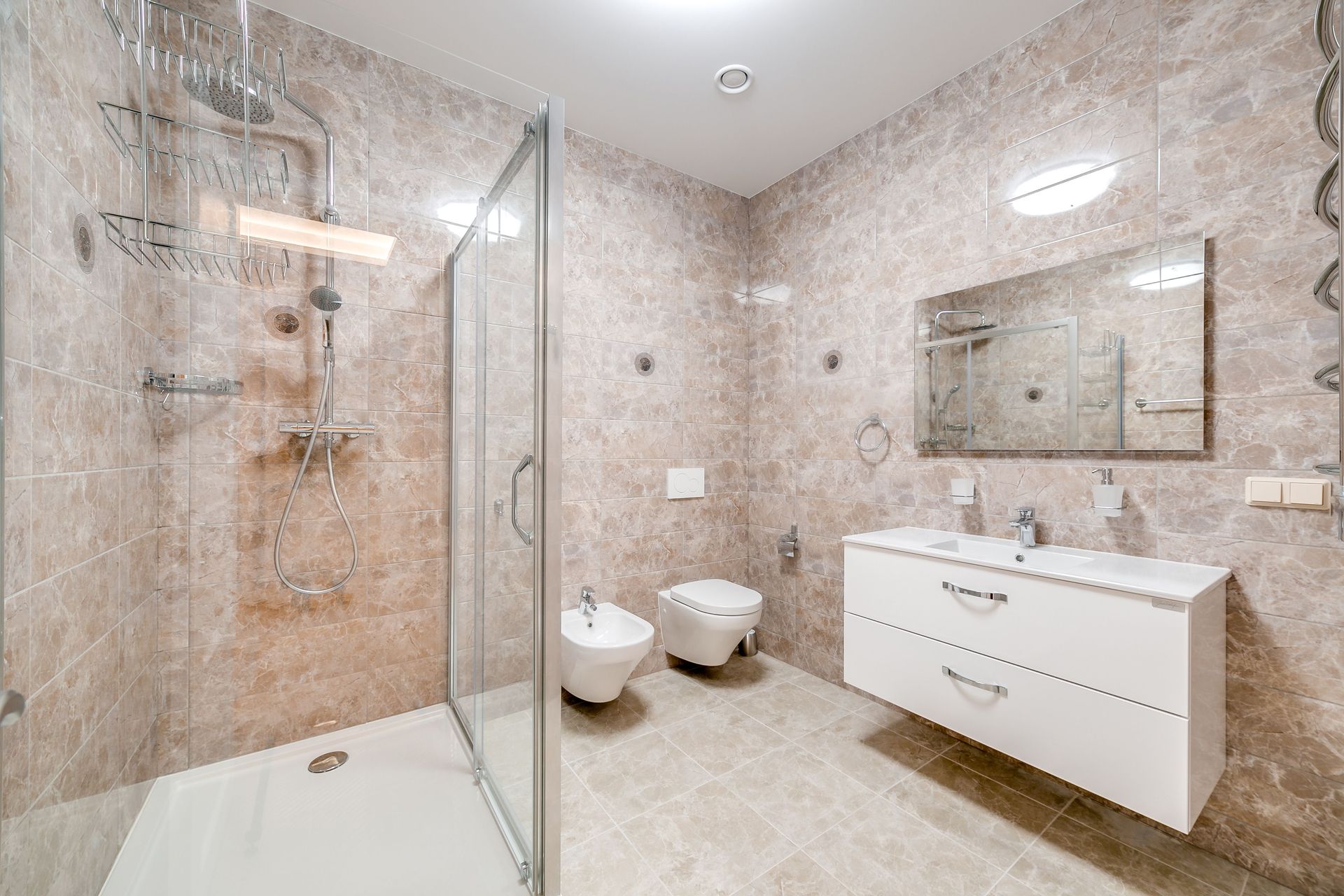
Bathroom fixtures influence a remodeled bathroom’s functionality, comfort, water efficiency, accessibility, appearance, and overall design. Chicago homeowners can select toilets, sinks, faucets, showerheads, shower valves, tubs, drains, bidet seats, and other fixtures to complement the bathroom’s size, layout, architectural character, and intended use. Fixture finishes can range from traditional chrome and polished brass to brushed nickel, matte black, and other contemporary options.
During remodeling, fixture locations can also be evaluated and modified to improve circulation, accessibility, storage, and shower functionality. Homeowners can incorporate comfort-height toilets, handheld showerheads, rainfall fixtures, thermostatic controls, wall-mounted faucets, water-efficient fixtures, and smart bathroom technology. Whether updating a historic greystone, compact vintage apartment, bungalow, two-flat, townhome, or condominium, thoughtfully selected fixtures can combine modern performance with a design that complements the character of the Chicago residence.
Bathroom Fixture Replacement in Chicago Residences
Replacing a bathroom fixture involves removing an existing toilet, sink, faucet, showerhead, tub fixture, drain, or other bathroom component and installing a new fixture selected for the homeowner’s needs and design preferences. Replacement may be relatively straightforward when the new fixture uses the existing plumbing locations, but it can become a larger remodeling project when fixtures are relocated, plumbing connections are modified, or surrounding finishes need to be changed.
The process typically involves
evaluating existing plumbing and fixture connections, selecting compatible replacement products, removing the old fixture, preparing the installation area, making necessary plumbing modifications, installing the new fixture, and testing connections for proper operation and leaks. Homeowners can also upgrade to comfort-height toilets, water-efficient fixtures, handheld or rainfall showerheads, thermostatic controls, wall-mounted faucets, bidet seats, and other modern options.
Bathroom Fixtures: Features, Options, Materials and Types
Bathroom fixtures are available in a wide range of styles, configurations, finishes, and performance levels, allowing homeowners to coordinate function and appearance throughout the remodeled bathroom. Common fixtures include
toilets, sinks, faucets, showerheads, shower valves, tub fillers, drains, bidet seats, and bathroom accessories. Selection can be based on bathroom size, layout, accessibility, water efficiency, maintenance, architectural character, and personal preferences.
Toilets and Bidet Options
Homeowners can choose standard or comfort-height toilets, one-piece or two-piece designs, dual-flush models, concealed-tank configurations, and bidet seats. Smart toilets and bidet systems can provide heated seats, integrated washing functions, drying, and other features. Water-efficient models can also reduce water consumption while providing modern performance.
Sinks and Faucets
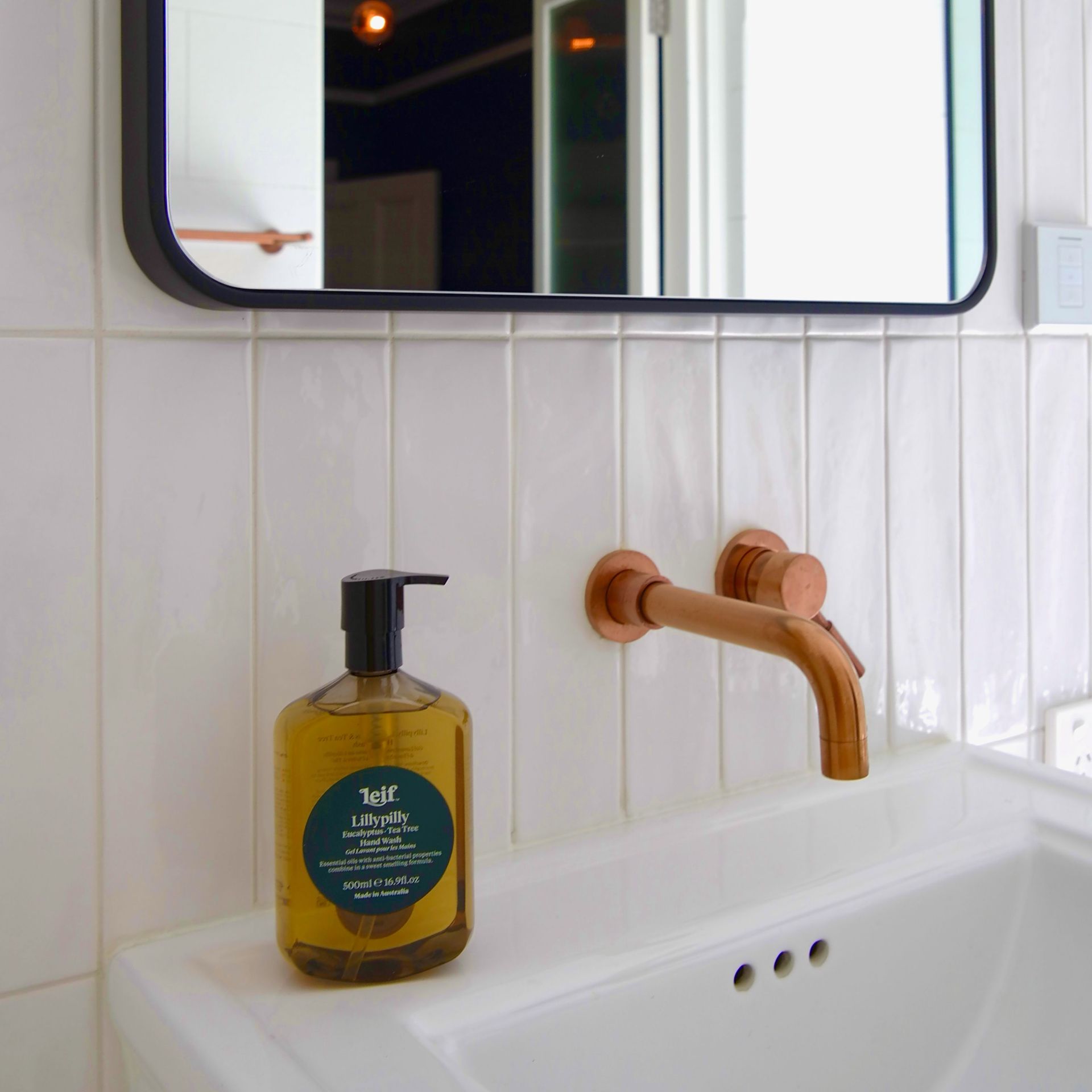
Sink options include undermount, drop-in, vessel, pedestal, console, integrated, and wall-mounted configurations. Faucets can be deck-mounted or wall-mounted, with single-handle, widespread, centerset, and other configurations. Materials and finishes may include chrome, brushed nickel, polished brass, matte black, bronze, and other coordinated finishes.
Shower Fixtures
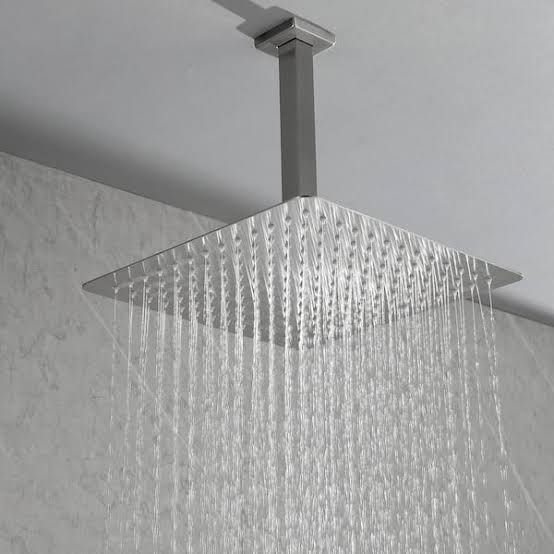
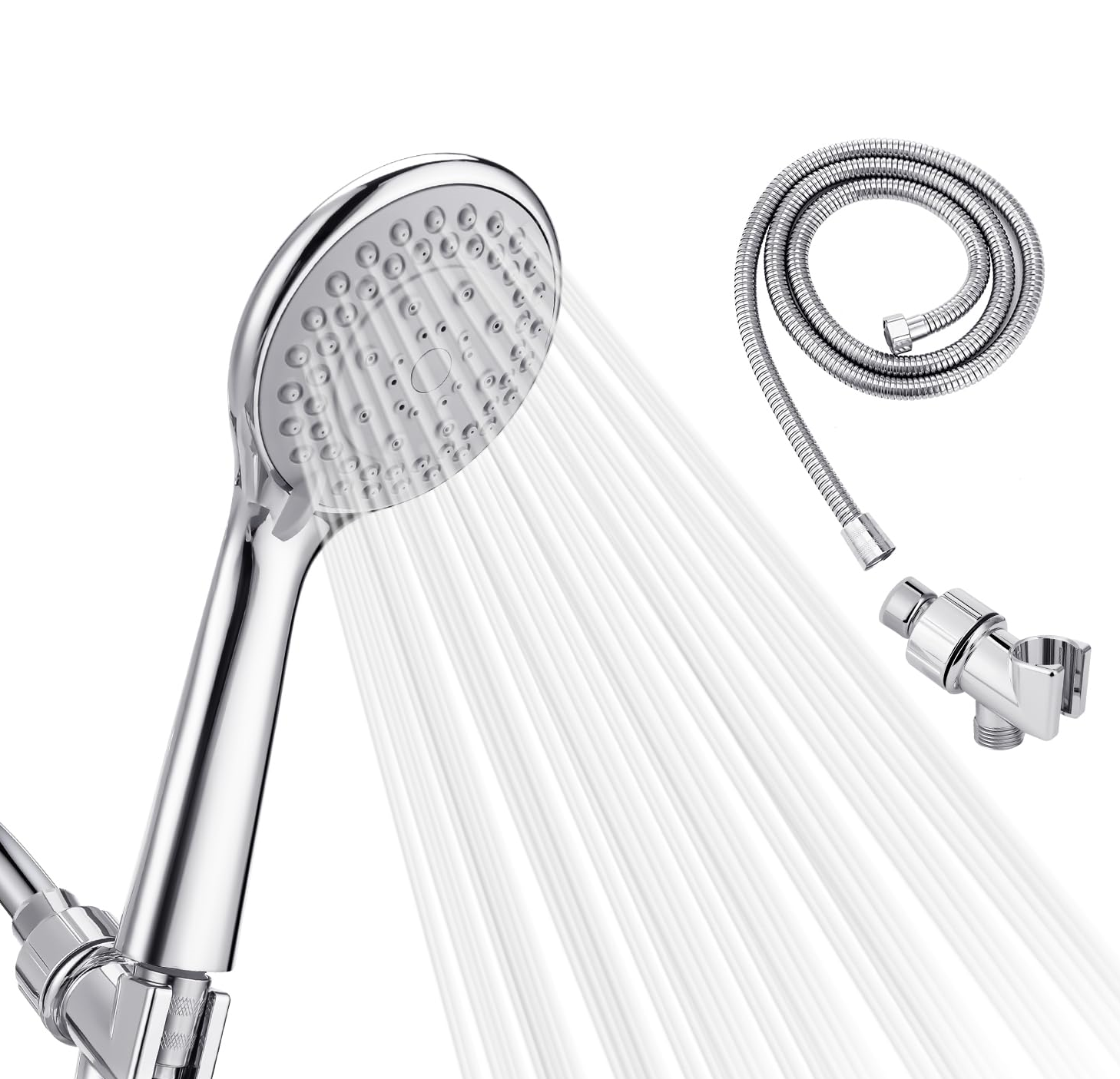
Showers can include fixed showerheads, handheld showerheads, rainfall fixtures, body sprays, multi-function systems, and thermostatic or pressure-balancing controls. Homeowners can combine multiple fixtures for a customized shower experience. Fixture placement can also be coordinated with seating, grab bars, niches, glass enclosures, and accessibility requirements.
Materials and Finishes
Fixture materials and finishes affect appearance, durability, maintenance, and coordination with other bathroom elements. Common finishes include chrome, polished nickel, brushed nickel, brass, bronze, matte black, and stainless-steel-style finishes. Homeowners can coordinate faucets, shower fixtures, cabinet hardware, towel accessories, drains, and other visible components for a cohesive design.
What Can Be Customized or Included?
Homeowners can customize fixture type, size, configuration, placement, finish, controls, water efficiency, accessibility features, and technology. Options can include comfort-height toilets, bidet seats, water-saving fixtures, handheld showerheads, rainfall systems, thermostatic controls, wall-mounted faucets, specialty drains, and smart fixtures. During remodeling, fixture locations can also be adjusted to improve circulation, accessibility, storage, and overall bathroom functionality.
Problems Solved by Replacing Bathroom Fixtures
Replacing outdated bathroom fixtures can address leaks, corrosion, poor performance, outdated appearance, inefficient water use, and difficult operation. Aging faucets may drip or have deteriorated internal components, while older toilets may use more water or provide less effective flushing. Worn showerheads, valves, drains, and other fixtures can similarly affect comfort, reliability, and everyday bathroom performance.
Fixture replacement can also solve functional and accessibility problems. Homeowners can install comfort-height toilets, handheld showerheads, thermostatic controls, wall-mounted faucets, water-efficient fixtures, and other modern options suited to their needs. During a larger bathroom remodel, fixture replacement provides an opportunity to correct inconvenient locations and coordinate plumbing with improved layouts, storage, lighting, and accessibility features.
In older Chicago homes, replacing fixtures can also reveal corroded shutoff valves, aging supply lines, deteriorated drain connections, or other plumbing conditions that may need attention. Addressing these issues while the bathroom is being renovated can improve reliability and reduce the likelihood of future problems.
Typical Bathroom Fixture Replacement Process
Replacing bathroom fixtures involves more than simply removing an old product and installing a new one. The process should account for existing plumbing, fixture compatibility, surrounding finishes, and the homeowner’s desired functionality.
1. Evaluate Existing Conditions: The existing toilet, sink, faucet, showerhead, tub fixture, drain, or other component is inspected. Plumbing connections, shutoff valves, supply lines, drain assemblies, clearances, and surrounding surfaces are evaluated for deterioration or compatibility.
2. Select Replacement Fixtures: The homeowner selects the fixture type, dimensions, configuration, finish, features, and performance characteristics. Sink openings, faucet spacing, plumbing locations, and mounting requirements are confirmed before ordering.
3. Prepare and Remove: Water supplies are shut off, surrounding surfaces are protected, and the existing fixture is carefully disconnected and removed. Any deteriorated components or damaged mounting surfaces are addressed.
4. Modify Plumbing as Needed: Supply lines, shutoff valves, drains, or other plumbing connections may be adjusted when required. Relocating fixtures can involve more extensive plumbing work and may require permits.
5. Install and Connect: The new fixture is positioned, secured, connected to the plumbing, and sealed appropriately. Faucets, shower controls, drains, toilets, sinks, and accessories are installed according to their specific requirements.
6. Test and Finish: Water flow, drainage, flushing, temperature controls, and connections are tested for proper operation and leaks. Final adjustments, caulking, cleaning, and finish repairs complete the installation.
Benefits of Replacing Bathroom Fixtures
Replacing bathroom fixtures can improve performance, reliability, appearance, water efficiency, comfort, and accessibility. New faucets, toilets, showerheads, valves, drains, and sinks can address leaks, corrosion, poor operation, outdated designs, and inefficient water use. Modern fixtures can also provide better temperature control, improved flushing, easier operation, and more convenient showering.
Homeowners can customize replacements with
comfort-height toilets, handheld or rainfall showerheads, thermostatic controls, wall-mounted faucets, bidet seats, water-efficient fixtures, and contemporary finishes. Replacing fixtures during a larger bathroom remodel also provides an opportunity to address aging shutoff valves, supply lines, and drain connections before they cause future problems. The result is a more functional, dependable, attractive bathroom with fixtures selected for the homeowner’s current needs and long-term goals.
Bathroom Fixture Replacement FAQs
1. How much does it cost to replace bathroom fixtures?
Costs vary by fixture and installation requirements. Product selection, plumbing modifications, fixture accessibility, finish, complexity, and whether surrounding surfaces require repairs all influence the overall project cost.
2. How do I choose the right bathroom fixtures?
Choose fixtures based on function, compatibility, size, style, and budget. Homeowners should consider existing plumbing, bathroom dimensions, water efficiency, accessibility needs, maintenance, and how fixtures coordinate with the overall design.
3. Should all bathroom fixtures match?
They do not have to match exactly. Coordinating finishes, styles, and proportions can create a cohesive bathroom while allowing selected fixtures to provide contrast or distinctive design character.
4. Can I upgrade fixtures without remodeling the entire bathroom?
Yes, many fixtures can be replaced independently. Faucets, toilets, showerheads, sinks, drains, and accessories can often be updated without changing the entire bathroom, provided existing plumbing and surrounding conditions are suitable.
5. Can bathroom fixtures be customized for accessibility?
Yes. Options include comfort-height toilets, handheld showerheads, accessible controls, thermostatic valves, wall-mounted faucets, grab bars, and fixtures positioned to improve reach, circulation, and everyday usability.
6. What fixture finishes are available?
Many finishes are available. Popular options include chrome, brushed nickel, polished nickel, brass, bronze, matte black, and stainless-steel-style finishes, allowing fixtures to complement cabinetry, tile, lighting, and hardware.
7. Should I replace old plumbing when replacing fixtures?
It depends on the existing plumbing condition. Corroded shutoff valves, aging supply lines, deteriorated drain assemblies, or incompatible connections may warrant replacement while fixtures are accessible.
8. Can fixture placement be changed during remodeling?
Yes, but relocating fixtures can increase project complexity. Moving toilets, sinks, faucets, showers, or drains may require plumbing modifications, additional construction, and potentially permits depending on the scope and applicable requirements.