Chicago Bathroom Remodeling Pros - Services - Waterproofing
Bathroom Remodeling Pros Serving Chicago, IL Neighborhoods
Bathroom Waterproofing
Bathroom waterproofing is a critical part of creating a durable, moisture-resistant bathroom, particularly around showers, tubs, floors, walls, and other areas exposed to water. A properly designed waterproofing system helps prevent moisture from reaching framing, subfloors, insulation, and finished surfaces where it can contribute to deterioration, staining, or other long-term problems.
During a Chicago bathroom remodel, waterproofing can be coordinated with shower pans, curbless or low-threshold showers, drains, niches, benches, tile, flooring, and plumbing penetrations. The appropriate system depends on the construction, materials, and areas being exposed to moisture. Older Chicago homes may require additional attention to existing substrates, framing, uneven surfaces, or previous water damage. Proper substrate preparation, installation, and detailing around corners, seams, penetrations, and transitions are essential. A well-planned waterproofing system provides a reliable foundation for tile and other finishes while helping protect the remodeled bathroom for years to come.
Bathroom Waterproofing in Chicago Residences
Bathroom waterproofing is the process of creating a moisture-resistant barrier that prevents water from penetrating walls, floors, framing, and other building components in areas exposed to water. It is particularly important around showers, tubs, curbless and low-threshold showers, shower niches, benches, drains, and plumbing penetrations. Waterproofing works beneath or behind finished materials such as tile, helping protect the underlying structure from moisture-related deterioration.
The process involves evaluating and preparing the substrate, selecting an appropriate waterproofing system, and carefully treating corners, seams, joints, penetrations, drains, transitions, and changes in plane. Shower pans and drainage systems must be coordinated with the waterproofing design so water is directed properly toward the drain. In Chicago’s older homes, additional preparation may be necessary where existing substrates are uneven, deteriorated, or affected by previous moisture.
Proper waterproofing is an important part of a bathroom remodel because tile and grout themselves should not be relied upon as the primary waterproofing system. A correctly installed system provides a durable foundation for the finished bathroom and helps protect the homeowner’s investment.
Bathroom Waterproofing: Features, Options, Materials and Types
Bathroom waterproofing creates a moisture-resistant barrier behind or beneath finished surfaces, helping protect framing, subfloors, insulation, and other building components from water intrusion. It is especially important around showers, tubs, curbless and low-threshold entries, niches, benches, drains, and plumbing penetrations.
Waterproofing Systems
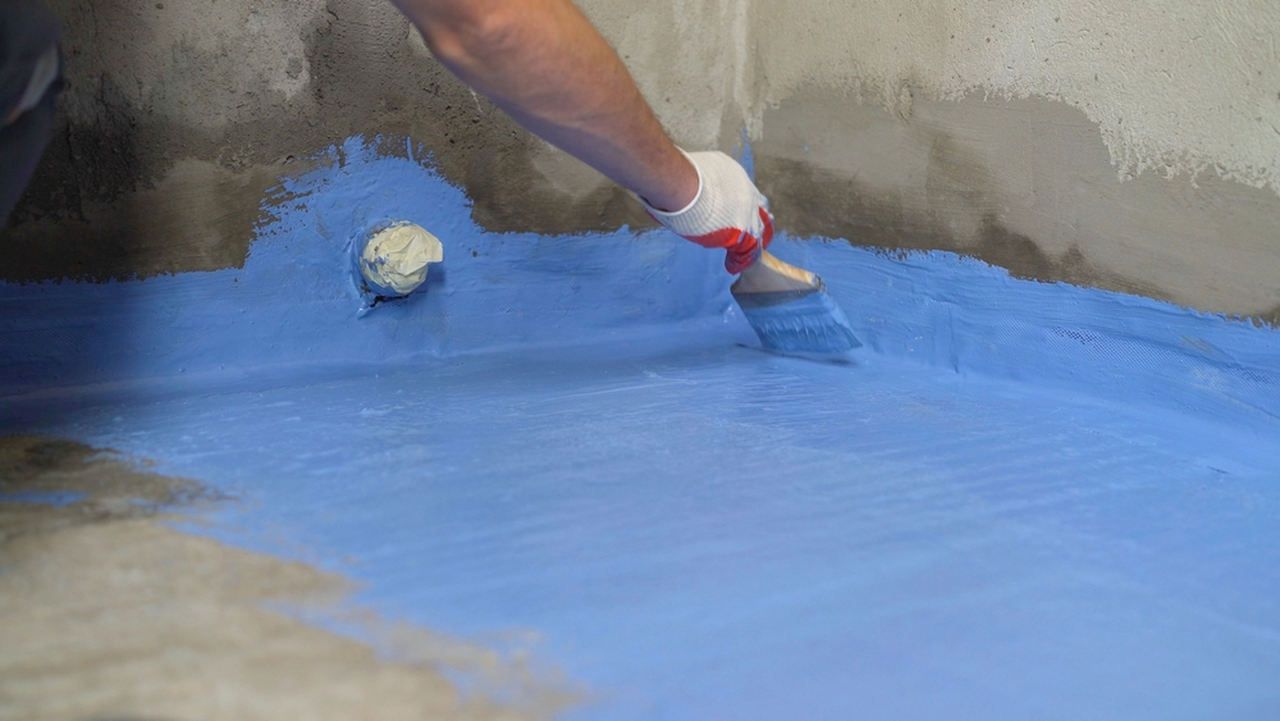
Common options include sheet-applied membranes, liquid-applied membranes, waterproof backer boards, and integrated shower-pan systems. The appropriate system depends on the bathroom’s construction, substrate, shower design, and manufacturer requirements. Homeowners can select a system appropriate for the specific wet-area application.
Shower Pans and Drainage
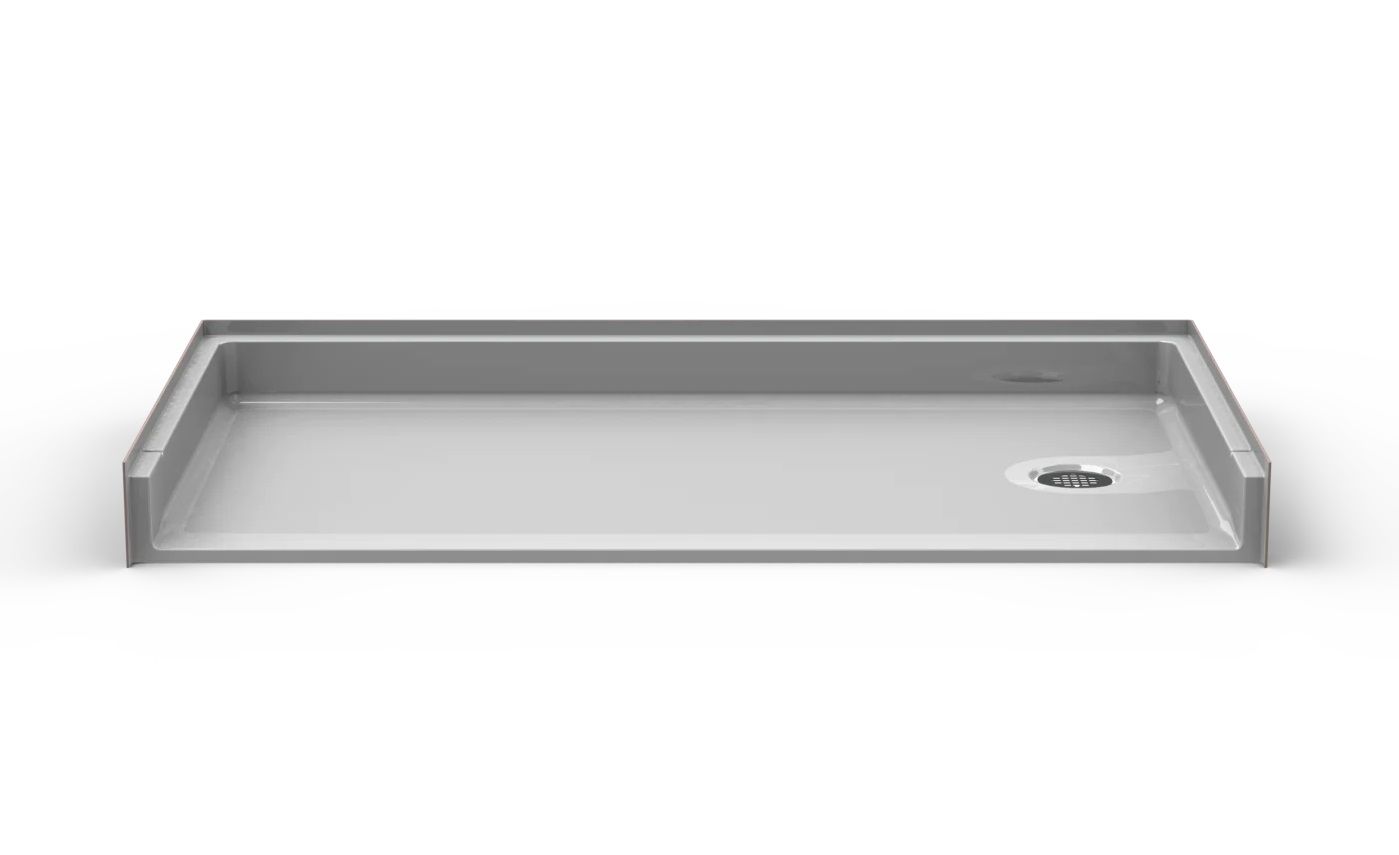
Waterproofing must be coordinated with the shower pan, drain, floor slope, curb or curbless entry, and finished tile. Homeowners can customize shower dimensions, drain locations, center or linear drains, niches, benches, and entry configurations. Proper drainage helps direct water toward the drain and supports long-term shower performance.
Seams, Corners and Penetrations
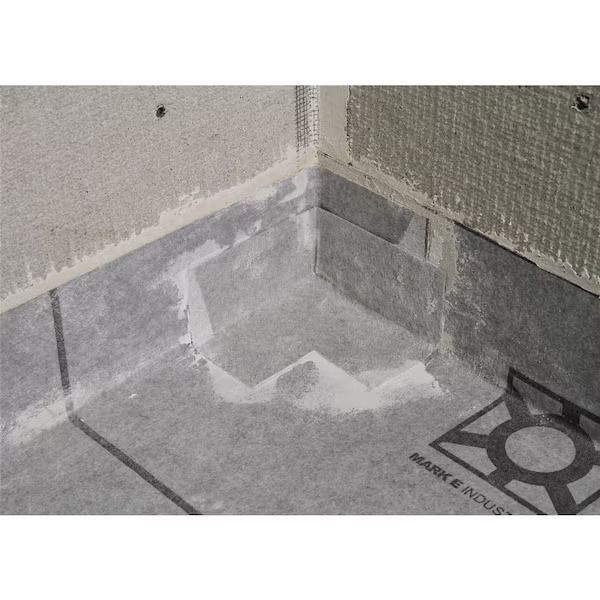
Special attention is required at seams, corners, joints, changes in plane, plumbing penetrations, and transitions. Compatible waterproofing tapes, sealants, preformed corners, pipe seals, and drain connections can be incorporated where required to maintain continuity throughout the waterproofed area.
Substrate Preparation and Customization
Proper substrate preparation may include removing damaged materials, leveling surfaces, repairing framing, and addressing previous moisture damage. Homeowners can customize waterproofing around shower layouts, accessibility features, recessed niches, seating, curbless entries, and specialty tile or slab applications. In older Chicago homes, existing conditions may require additional preparation before waterproofing begins.
A properly selected and installed system provides a reliable moisture-management foundation beneath the finished bathroom while coordinating with plumbing, framing, drainage, tile, flooring, and other remodeling components.
Problems Solved by Bathroom Waterproofing
Bathroom waterproofing helps address the risk of water intrusion, moisture damage, deteriorating framing, damaged subfloors, mold-supporting conditions, and premature failure of bathroom finishes. Tile and grout alone should not be relied upon as the primary waterproofing system. A properly installed membrane or waterproofing assembly helps prevent water from reaching areas where it can cause long-term damage.
Waterproofing can also address vulnerabilities around shower pans, drains, corners, seams, niches, benches, plumbing penetrations, curbless entries, and transitions. Proper substrate preparation and drainage work together with waterproofing to direct water toward the drain and limit moisture exposure.
For Chicago’s older homes, waterproofing can be especially valuable when previous leaks, deteriorated materials, uneven substrates, or aging construction are discovered during remodeling. Addressing these conditions before tile and other finishes are installed can help reduce the likelihood of hidden moisture problems and protect the homeowner’s investment in the remodeled bathroom.
Bathroom Waterproofing Process
Bathroom waterproofing begins after the bathroom layout, plumbing, framing, and substrate requirements have been established. The goal is to create a continuous moisture-resistant system before tile, stone, or other finished surfaces are installed.
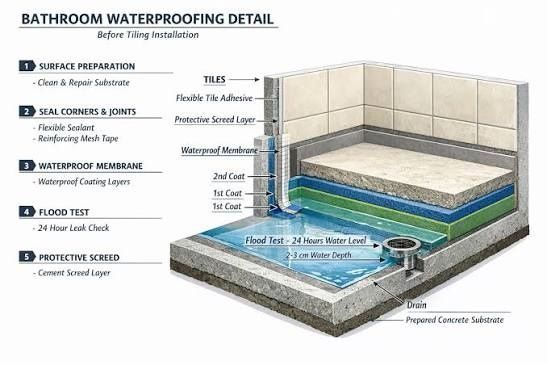
1. Inspect Existing Conditions: Walls, floors, framing, plumbing, and substrates are evaluated for moisture damage, movement, deterioration, or uneven surfaces. Damaged materials are repaired or replaced before waterproofing begins.
2. Prepare the Substrate: Surfaces are cleaned, leveled, and prepared according to the selected waterproofing system. Appropriate backer board or other approved substrate materials are installed where required.
3. Install Shower and Drain Components: Shower pans, drains, curbs, linear drains, and floor slopes are established and coordinated with the waterproofing system.
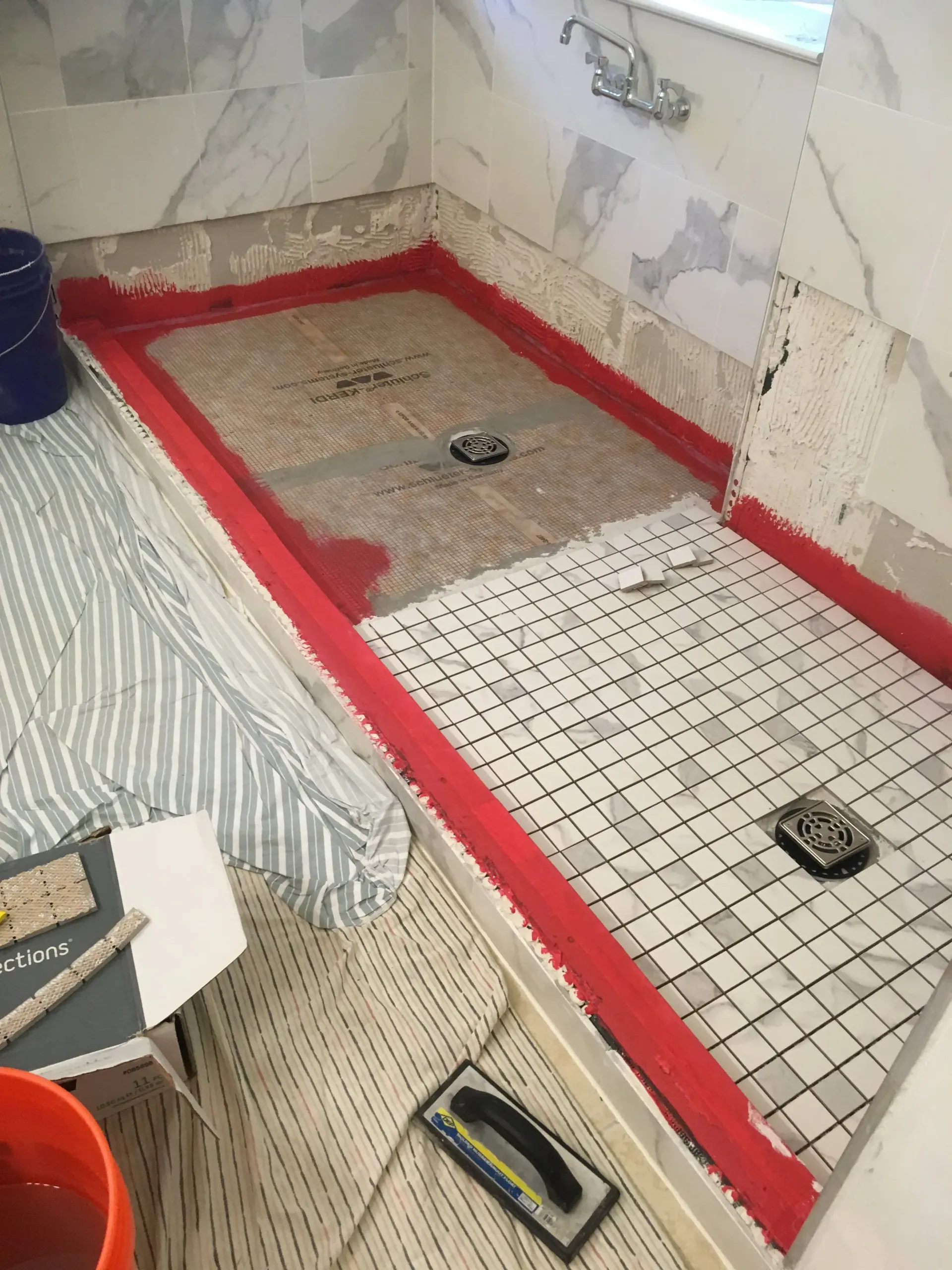
4. Apply Waterproofing: A compatible sheet membrane, liquid-applied membrane, waterproof backer board, or integrated waterproofing system is installed according to manufacturer requirements. Corners, seams, joints, penetrations, niches, benches, and transitions receive particular attention.
5. Seal Connections and Penetrations: Plumbing penetrations, drain connections, corners, changes in plane, and other vulnerable locations are properly sealed to maintain continuous moisture protection.
6. Inspect and Test: The completed waterproofing system is reviewed for continuity, coverage, detailing, and proper integration with drainage and plumbing. Where applicable, required testing or inspections are completed before tile or other finishes are installed.
7. Install Finished Surfaces: Once the waterproofing assembly is properly completed, tile, stone, slabs, or other approved finishes can be installed over the prepared system.
Bathroom Waterproofing in Chicago and Older Homes
Bathroom waterproofing is particularly important in Chicago’s older homes, where greystones, Victorians, bungalows, vintage apartments, and other residences may have aging substrates, uneven floors, previous water damage, or older construction methods. Existing conditions should be evaluated before waterproofing begins.
Proper preparation, compatible waterproofing materials, careful detailing around
drains, corners, seams, niches, benches, and plumbing penetrations, and effective drainage help protect the structure beneath the finished tile. Addressing existing moisture problems before installation can help create a more durable bathroom.
Benefits of New Bathroom Waterproofing
New bathroom waterproofing provides a moisture-resistant foundation beneath tile and other finished surfaces, helping protect walls, floors, framing, and subflooring from water intrusion. It can reduce the risk of moisture-related deterioration and help preserve the integrity of the remodeled bathroom.
Waterproofing also allows homeowners to address vulnerable areas such as shower pans, drains, niches, benches, corners, seams, transitions, and plumbing penetrations during construction. When properly installed and coordinated with drainage, it supports longer-lasting bathroom finishes and can help protect the homeowner’s investment. For older Chicago homes, new waterproofing also provides an opportunity to replace outdated or compromised moisture-management systems rather than covering existing problems with new finishes.
Bathroom Waterproofing FAQs
1. How much does bathroom waterproofing cost?
Costs vary according to the area being waterproofed and system selected. Shower size, substrate preparation, drain configuration, niches, benches, curbless designs, materials, and existing conditions can affect the overall cost.
2. Does bathroom waterproofing require a permit?
Waterproofing itself does not necessarily determine permitting requirements. Permits may be required when waterproofing is part of plumbing, structural, electrical, mechanical, or other regulated remodeling work.
3. How long does bathroom waterproofing take?
Waterproofing is typically completed over part of the remodeling schedule. Preparation, membrane installation, detailing, curing or setting requirements, inspections, and testing can affect the timeline before tile installation begins.
4. Can an existing bathroom be waterproofed during remodeling?
Yes, remodeling is an ideal opportunity to install new waterproofing. Existing tile and affected materials can be removed, substrates evaluated, and a new waterproofing system installed before finished surfaces are replaced.
5. Can a curbless or low-threshold shower be waterproofed?
Yes, when properly designed and constructed. The waterproofing system must coordinate with floor slope, shower pan or membrane, drain placement, entry transition, walls, and surrounding bathroom flooring.
6. What areas of a bathroom should be waterproofed?
Wet areas require the most comprehensive protection. Showers, shower floors, tub surrounds, niches, benches, drains, corners, seams, and plumbing penetrations require careful waterproofing and detailing.
7. Can waterproofing be installed in an older Chicago bathroom?
Yes, but existing conditions must be evaluated first. Uneven substrates, deteriorated framing, previous moisture damage, unusual construction, and aging plumbing may require repairs or preparation before waterproofing is installed.
8. Can waterproofing be installed under large-format tile or slabs?
Yes, compatible waterproofing systems can support these finishes. Proper substrate preparation, membrane selection, installation detailing, and manufacturer requirements should be followed to create a reliable foundation for the finished surface.