Chicago Bathroom Remodeling Pros - Services - Bathroom Lighting
Bathroom Remodeling Pros Serving Chicago, IL Neighborhoods
Bathroom Lighting
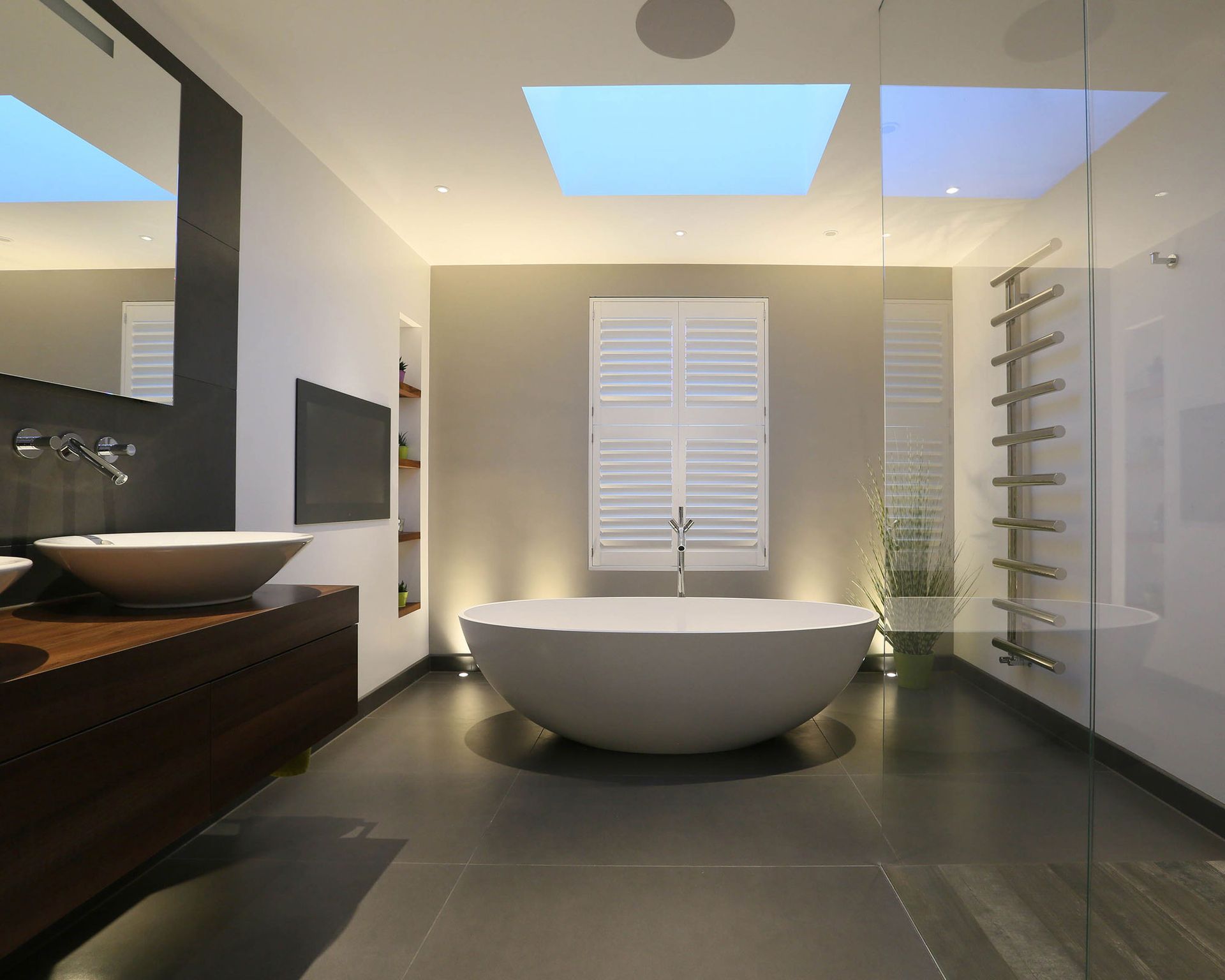
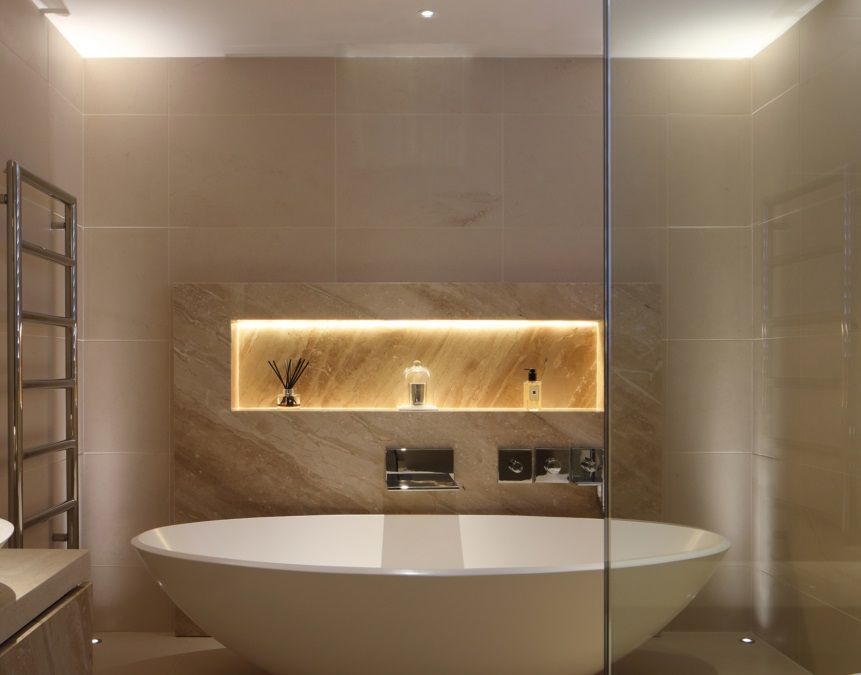
Bathroom lighting can transform a Chicago bathroom by improving visibility, safety, comfort, functionality, and atmosphere. A well-planned lighting design typically combines ambient lighting for overall illumination, task lighting for grooming, and vanity lighting positioned to provide balanced illumination around the face. Shower lighting can improve visibility in wet areas, while accent lighting can highlight tile, cabinetry, architectural details, or other design features.
Homeowners can customize color temperature, dimmers, illuminated mirrors, accessibility-focused lighting, and smart lighting controls to suit their needs. Warmer or cooler color temperatures can influence the bathroom’s appearance and atmosphere, while dimmers provide greater control throughout the day. Smart lighting can incorporate scheduling, sensors, or app-based controls. In older Chicago homes, lighting improvements can also be coordinated with existing electrical conditions, ceiling construction, windows, mirrors, and architectural details. Thoughtful lighting design creates a bathroom that works effectively for everyday routines while supporting accessibility and the homeowner’s preferred aesthetic.
Bathroom Lighting in Chicago Residences
Replacing bathroom lighting involves removing outdated or inadequate fixtures and installing new lighting designed around the bathroom’s layout, activities, safety needs, and design style. Homeowners may replace ceiling fixtures, vanity lights, sconces, recessed lighting, shower-rated fixtures, illuminated mirrors, or accent lighting. The goal can be to improve visibility, eliminate shadows, update the appearance, increase control, or create different lighting levels for grooming and relaxation.
The process may involve evaluating existing wiring, electrical capacity, switch locations, ceiling conditions, and fixture placement before selecting new equipment. A complete lighting plan can incorporate ambient, task, vanity, shower, and accent lighting, along with appropriate color temperature, dimmers, smart controls, and accessibility features. In older Chicago homes, existing wiring or electrical limitations may require additional work before new fixtures can be installed.
Depending on the scope,
electrical permits and inspections may be required. Proper planning allows lighting to be coordinated with mirrors, vanities, cabinetry, showers, windows, ventilation, and other remodeling elements before walls and ceilings are finished.
Bathroom Lighting: Features, Options, Materials and Types
Bathroom lighting can be customized to provide visibility, safety, functionality, comfort, and atmosphere. A well-designed system typically combines several lighting types rather than relying on one fixture. Homeowners can select fixture styles, locations, brightness, color temperature, controls, and finishes to coordinate with the bathroom’s architecture and overall design.
Ambient and Task Lighting
Ambient lighting provides general illumination throughout the bathroom using recessed fixtures, ceiling lights, or other appropriately rated fixtures. Task lighting provides focused illumination for activities such as shaving, applying makeup, grooming, and dressing. Both can be positioned around the bathroom based on the layout and homeowner’s routines.
Vanity, Shower and Accent Lighting
Vanity lighting can include sconces, vertical fixtures, overhead lighting, or illuminated mirrors designed to reduce shadows around the face. Shower lighting can improve visibility within the bathing area using appropriately rated fixtures. Accent lighting can highlight tile, niches, cabinetry, architectural details, or decorative features.
Color Temperature, Dimmers and Mirrors
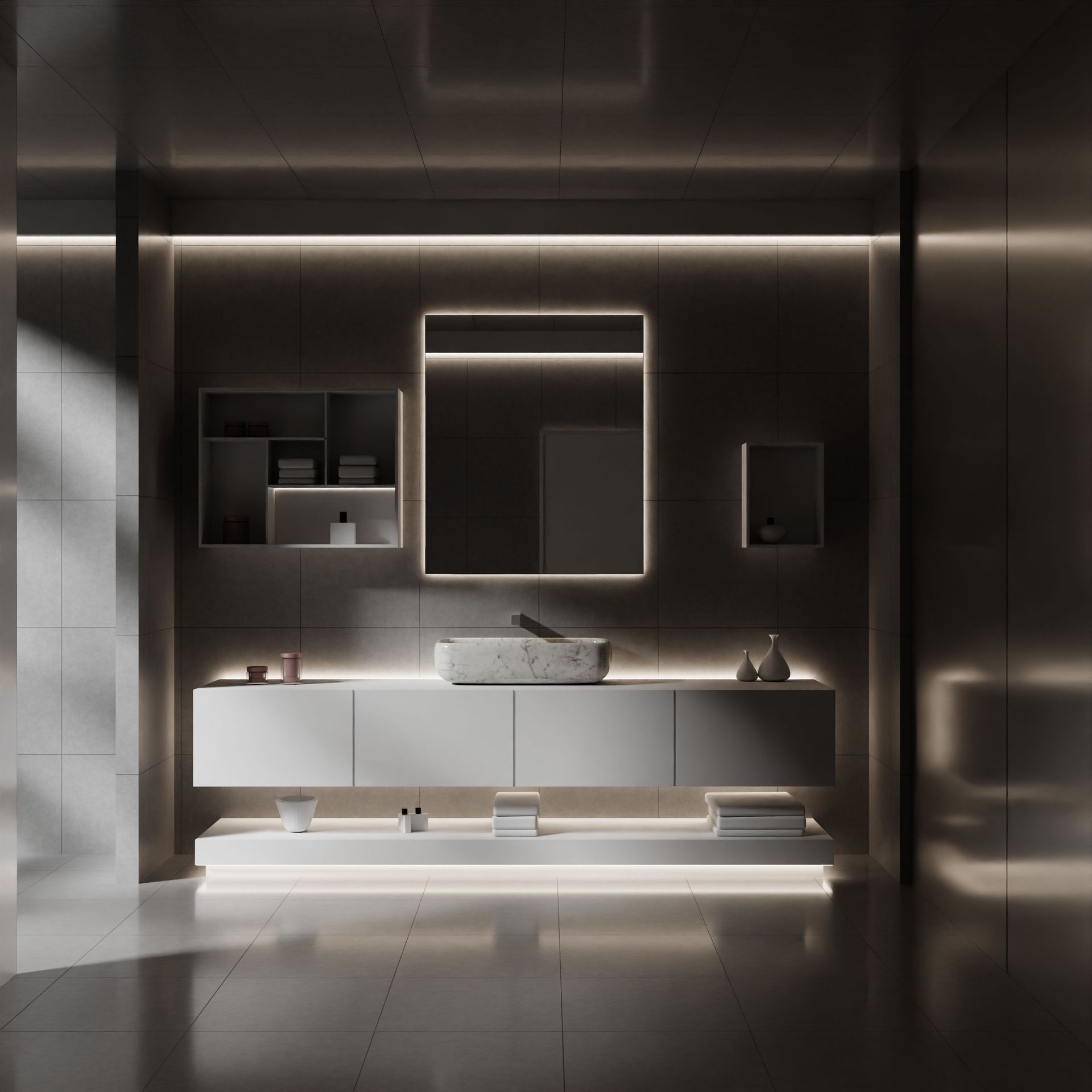
Homeowners can customize color temperature, brightness, dimming, and lighting controls. Warmer light can create a softer atmosphere, while cooler temperatures can provide a brighter, more task-oriented appearance. Illuminated and backlit mirrors can combine functional and decorative lighting while reducing the need for additional wall fixtures.
Accessibility and Smart Lighting
Lighting can support accessibility by improving visibility around doorways, toilets, showers, transitions, and circulation areas. Smart lighting can incorporate occupancy sensors, schedules, remote controls, and automated scenes. Dimmers and sensors can also provide greater control for nighttime bathroom use.
What Can Be Customized or Included?
Homeowners can customize fixture type, placement, brightness, color temperature, finishes, dimmers, switches, sensors, illuminated mirrors, smart controls, and lighting scenes. Lighting can be coordinated with vanities, cabinetry, tile, windows, shower layouts, and architectural details. In older Chicago homes, existing wiring, electrical capacity, ceiling construction, and available junction locations should be evaluated. Depending on the work, electrical permits and inspections may be required before final installation.
Problems Solved by Replacing Bathroom Lighting
Replacing bathroom lighting can solve poor visibility, shadows, inadequate illumination, outdated fixtures, inconvenient controls, and insufficient lighting around key areas. Older bathrooms may rely on a single ceiling fixture that creates shadows around the vanity or fails to adequately illuminate the shower, toilet, or circulation areas. A layered lighting plan can provide more balanced illumination for everyday activities.
New lighting can also address accessibility, nighttime visibility, and inefficient controls. Vanity lighting can improve grooming, shower lighting can provide better visibility, and dimmers or smart controls can adjust brightness for different activities. Occupancy sensors can provide convenient automatic operation, while illuminated mirrors can combine task and decorative lighting.
In older Chicago homes, replacing lighting can also provide an opportunity to evaluate outdated wiring, electrical capacity, and switch locations. Addressing these conditions during remodeling can improve safety, functionality, comfort, and the overall appearance of the bathroom.
Bathroom Lighting Installation Process
Installing new bathroom lighting begins with evaluating the existing electrical system and determining how the lighting should support the bathroom’s layout, activities, and design. The process is coordinated with other remodeling work so wiring can be completed before walls and ceilings are finished.
1. Evaluate Existing Conditions: Existing wiring, electrical capacity, switches, junction boxes, ceiling conditions, and fixture locations are inspected. Older Chicago homes may require additional evaluation of wiring or electrical capacity.
2. Develop the Lighting Plan: Ambient, task, vanity, shower, and accent lighting are positioned based on the bathroom layout. Fixture type, brightness, color temperature, dimmers, mirrors, sensors, and smart controls are selected.
3. Confirm Permits: Applicable electrical permit requirements are determined. New circuits, wiring modifications, or other regulated work may require permits and inspections.
4. Complete Electrical Rough-In: Existing fixtures are removed or modified as necessary. New wiring, boxes, switches, circuits, and fixture connections are installed before walls or ceilings are closed.
5. Install Fixtures and Controls: Recessed lights, sconces, vanity fixtures, shower-rated lighting, illuminated mirrors, switches, dimmers, sensors, and smart controls are installed and connected.
6. Test and Inspect: Lighting levels, switches, dimmers, sensors, smart controls, and electrical connections are tested. Required inspections are completed before final finishes are installed or the bathroom is placed into use.
thermostatic or pressure-balancing controls, body sprays, or multiple shower systems. Linear, center, and other drain configurations can be coordinated with the shower design. Fixture finishes may include chrome, brushed nickel, matte black, polished brass, or other coordinated options.
Accessibility, Waterproofing and Finishes
Walk-in showers can also be customized for long-term accessibility with low or curbless entries, grab-bar reinforcement, handheld fixtures, slip-resistant surfaces, and seating. Proper waterproofing, shower pans, drainage, wall preparation, and transitions are essential regardless of design style. These choices allow homeowners to create a shower that combines comfort, durability, safety, maintenance considerations, and personal design preferences.
Bathroom Lighting in Chicago and Older Homes
Bathroom lighting in Chicago’s older homes may require additional planning because greystones, Victorians, bungalows, vintage apartments, and other residences can have aging wiring, limited electrical capacity, unusual ceiling construction, or existing fixture locations that restrict options.
Homeowners can improve these conditions with layered
ambient, task, vanity, shower, and accent lighting, along with dimmers, illuminated mirrors, smart controls, and accessibility-focused illumination. Existing wiring and electrical capacity should be evaluated before installation.
Electrical permits and inspections may be required depending on the scope of work and applicable Chicago requirements.
Bathroom Lighting FAQs
1. What type of lighting is best for a bathroom?
A combination of ambient, task, vanity, and shower lighting is usually most effective. Layering different lighting types provides balanced illumination for grooming, bathing, circulation, and general use.
2. How much does bathroom lighting replacement cost?
Costs depend on the number and type of fixtures and electrical work required. Recessed lighting, illuminated mirrors, new wiring, switches, dimmers, and smart controls can affect the overall investment.
3. Does replacing bathroom lighting require a permit?
Sometimes. New circuits, wiring modifications, electrical boxes, or other regulated electrical work may require permits and inspections depending on the project scope and applicable Chicago requirements.
4. What color temperature should bathroom lighting use?
It depends on the desired atmosphere and function. Homeowners can choose warmer lighting for a softer appearance or cooler lighting for a brighter, more task-oriented environment.
5. Can bathroom lighting be made more accessible?
Yes. Improved illumination around showers, toilets, vanities, doorways, and circulation areas can enhance visibility, while dimmers, motion sensors, and nighttime lighting can provide additional convenience.
6. Can I add smart lighting to my bathroom?
Yes. Smart lighting can include scheduling, occupancy sensors, remote controls, dimming, and preset lighting scenes. Existing electrical wiring and compatible devices should be evaluated before installation.