Chicago Bathroom Remodeling Pros - Services - Bathroom Flooring
Bathroom Remodeling Pros Serving Chicago, IL Neighborhoods
Bathroom Flooring
Bathroom flooring plays an important role in the durability, safety, comfort, maintenance, and appearance of a remodeled Chicago bathroom. Homeowners can choose from porcelain, ceramic, natural stone, mosaic, and large-format tile, with options for different colors, textures, patterns, finishes, grout, and layouts. Flooring can be selected to complement the architectural character of a greystone, bungalow, two-flat, vintage apartment, townhome, or condominium.
Homeowners can also incorporate slip-resistant surfaces and heated flooring for added safety and comfort. Proper substrate preparation, moisture management, drainage, and installation are essential for long-term performance. Thoughtfully selected flooring can create a durable, attractive foundation that works with the bathroom’s shower, vanity, cabinetry, lighting, and overall design style.
Bathroom Flooring Replacement in Chicago Residences
Replacing a bathroom floor involves removing the existing flooring, evaluating the underlying substrate, correcting any damage or uneven conditions, and installing a new flooring system selected for the room’s design and performance requirements. Chicago homeowners may replace flooring because it is outdated, damaged, difficult to maintain, slippery, poorly coordinated with a new bathroom design, or affected by moisture or deterioration. Popular replacement choices include porcelain, ceramic, natural stone, mosaic, and large-format tile, with options for different colors, textures, patterns, grout, and finishes.
The process may also involve
subfloor repairs, leveling, moisture management, waterproofing where appropriate, drainage coordination, transitions, and heated-floor installation. In older Chicago homes, existing conditions such as uneven floors, deteriorated subfloors, plumbing leaks, or previous moisture damage may require additional preparation before new materials are installed. Homeowners can use a flooring replacement to improve safety, durability, comfort, maintenance, and appearance while coordinating the finished floor with the shower, vanity, cabinetry, and overall bathroom design.
Benefits of Replacing Bathroom Flooring
Replacing bathroom flooring can improve appearance, safety, durability, comfort, and maintenance. New flooring can eliminate cracked, damaged, uneven, or outdated surfaces while providing improved slip resistance and easier cleaning. Homeowners can also coordinate new flooring with updated tile, vanities, showers, and fixtures for a cohesive design.
Replacing the floor also provides an opportunity to inspect and address underlying subfloor or moisture concerns before installing new materials. Heated flooring can add comfort during Chicago’s colder months, while durable materials such as porcelain can provide long-term performance. The result is a more attractive, functional, comfortable, and reliable bathroom.
Bathroom Flooring: Options, Materials, Features and Types
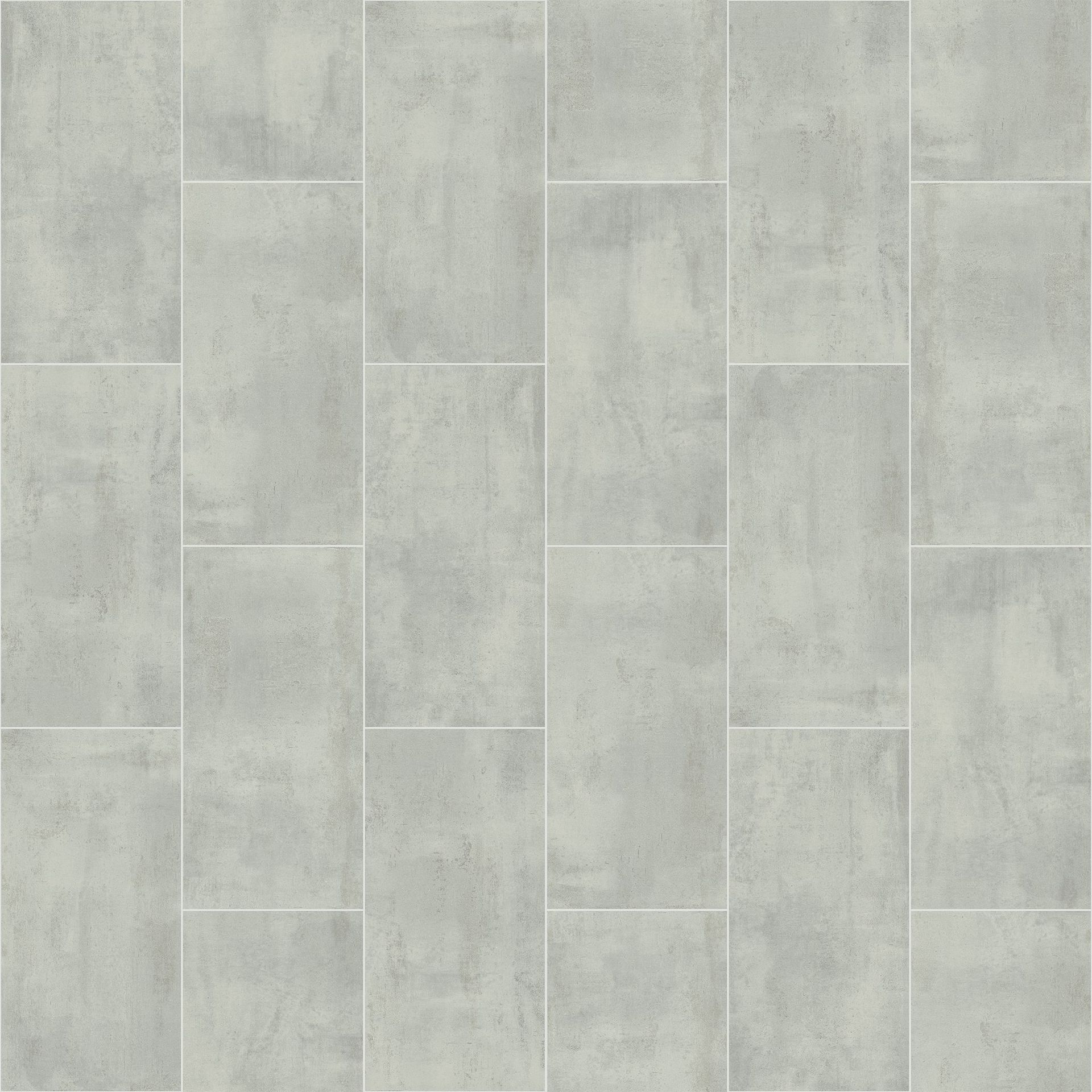
Bathroom flooring can be customized to match the homeowner’s style, budget, bathroom size, maintenance preferences, and performance requirements. Popular options include porcelain, ceramic, natural stone, large-format tile, and mosaic. Homeowners can select colors, patterns, textures, finishes, grout colors, tile sizes, and layouts to coordinate the floor with showers, vanities, cabinetry, walls, and other bathroom surfaces.
Porcelain and Ceramic
Porcelain is one of the most popular bathroom flooring choices because of its durability, moisture resistance, design variety, and relatively low maintenance. Ceramic provides another versatile option, often at a lower material cost, and works well for many bathroom floors and decorative applications. Both are available in numerous styles and finishes.
Natural Stone and Mosaic
Natural stone options such as marble, granite, limestone, travertine, and slate can provide distinctive colors, textures, and character. Depending on the material, sealing and periodic maintenance may be necessary. Mosaic tile offers smaller pieces that work especially well around drains, curves, borders, and decorative areas while providing additional design flexibility.
Large-Format Tile, Grout and Design
Large-format tile reduces the number of grout joints, creating a cleaner, more continuous appearance that can be particularly effective in smaller bathrooms. Homeowners can customize tile patterns, orientation, grout color, and joint size. Coordinating grout with the tile can create visual continuity, while contrasting grout can emphasize individual shapes and patterns.
Slip Resistance, Waterproofing and Durability
Slip resistance is an important consideration for bathroom floors, particularly where water is present or accessibility is a priority. Proper flooring selection should be coordinated with drainage and use conditions.
Waterproofing is especially important in showers and other wet areas, while proper substrate preparation helps support long-term
durability and performance.

Heated Bathroom Flooring
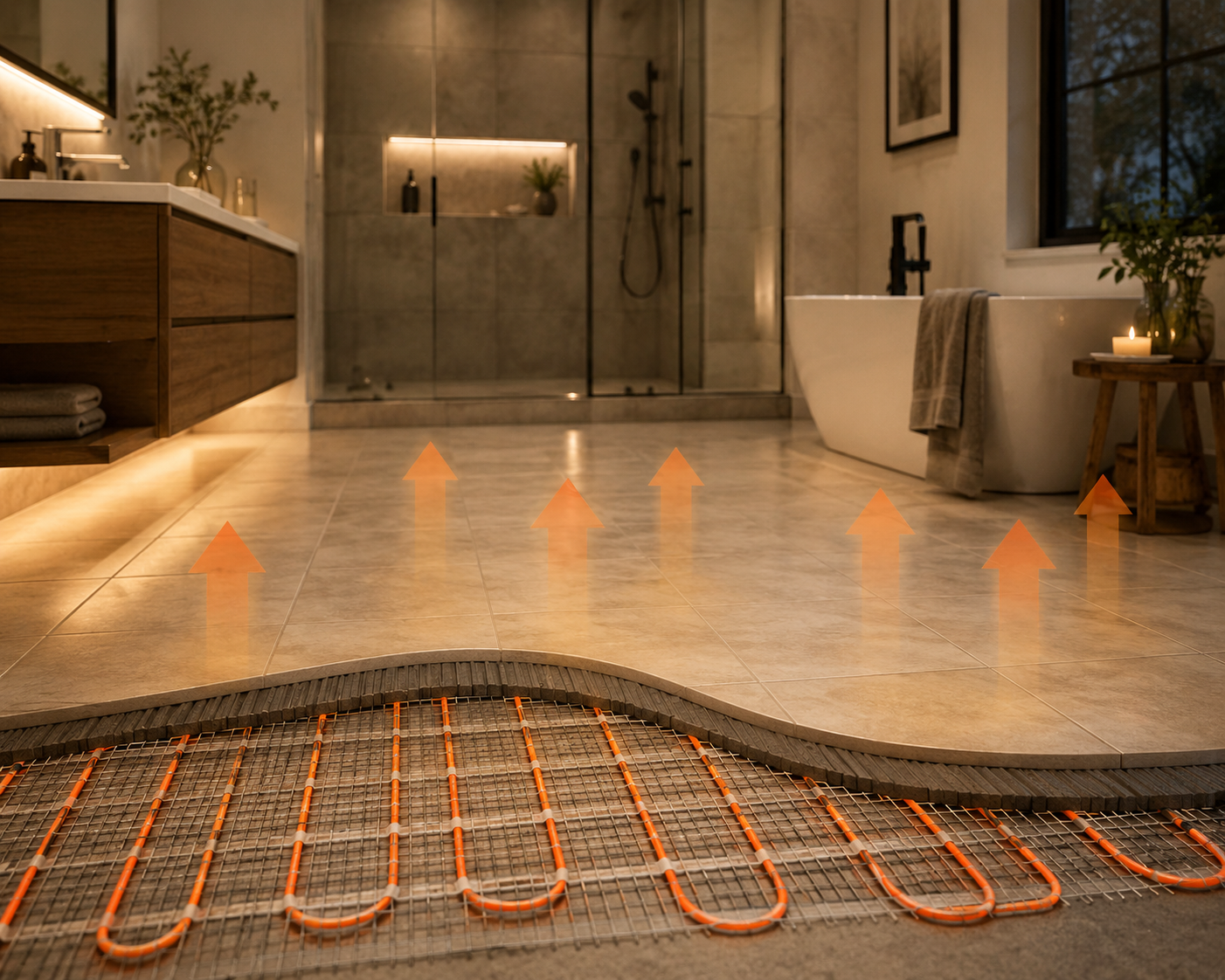
Heated bathroom flooring provides warmth beneath the finished floor and can add comfort, particularly during Chicago’s colder months. Electric systems use heating cables or mats beneath the flooring and are often practical for individual bathroom renovations. Hydronic systems circulate heated water through tubing and may be appropriate where compatible hot-water heating infrastructure already exists.
A thermostat allows homeowners to control floor temperature and operating schedules, with programmable or smart controls providing additional convenience. Proper floor preparation is essential; the substrate should be stable, clean, and suitable for the selected heating system and finished flooring. Porcelain and ceramic tile and natural stone are commonly compatible materials because they efficiently transfer heat.
Beyond comfort, homeowners should consider energy use and operating patterns. Bathroom size, insulation, system type, thermostat settings, and scheduling affect energy consumption. Properly designed heated flooring can provide targeted warmth and comfort while allowing homeowners to control when and how much the system operates.

Problems Solved by Replacing a Bathroom Floor
Replacing a bathroom floor can address outdated, damaged, uneven, slippery, or difficult-to-maintain flooring. Cracked tiles, deteriorated grout, loose flooring, stains, or signs of moisture damage can affect both appearance and performance. A new flooring system can also correct uneven surfaces and provide a more appropriate foundation for the bathroom’s updated design.
Floor replacement can also improve safety, durability, comfort, and maintenance. Homeowners can select slip-resistant materials, easier-to-clean surfaces, updated grout, and heated flooring for greater comfort. During replacement, the exposed subfloor can be inspected for moisture damage, deterioration, or structural concerns and repaired when necessary. In older Chicago homes, addressing these underlying conditions can help prevent existing problems from being concealed beneath new flooring and provide a more reliable foundation for the remodeled bathroom.
Typical Bathroom Flooring Remodeling Process
Bathroom flooring installation begins with planning and material selection. The existing floor is measured, the layout is evaluated, and the homeowner selects porcelain, ceramic, natural stone, mosaic, or large-format tile based on style, durability, maintenance, and slip resistance. Heated flooring can also be planned at this stage.
1. Demolition: Existing flooring is carefully removed to expose the subfloor and surrounding conditions.
2. Subfloor Inspection and Preparation: The substrate is checked for damage, moisture, movement, or uneven areas. Repairs or leveling are completed to create a stable surface for the new flooring.
3. Waterproofing and Heating: Where appropriate, waterproofing is installed, particularly near showers and other wet areas. If heated flooring is selected, the heating system is installed and tested before the tile is placed.
4. Tile Layout and Installation: Tile placement is planned to coordinate grout lines, walls, doorways, drains, thresholds, and fixtures. Tile is then cut, positioned, and secured according to the selected pattern.
5. Grouting and Finishing: Grout is applied, joints are cleaned, and appropriate caulking, transitions, trim, and sealing are completed where required.
6. Final Inspection: The finished floor is reviewed for alignment, levelness, grout consistency, transitions, heating operation, and overall appearance before the bathroom is returned to service.
Bathroom Flooring in Chicago and Older Homes
Bathroom flooring in Chicago’s older homes may require additional preparation because greystones, bungalows, two-flats, Victorians, and vintage apartments can have uneven floors, aging subfloors, moisture damage, or unusual transitions. Existing conditions should be evaluated before new flooring is installed.
Homeowners can select porcelain, ceramic, natural stone, mosaic, or large-format tile to complement architectural character while improving durability and maintenance. Heated flooring, slip-resistant surfaces, and appropriate waterproofing can add comfort and safety. Condominiums may also have building-specific requirements affecting flooring installation.
Bathroom Flooring FAQs
1. What type of flooring is best for a bathroom?
Porcelain is one of the most versatile choices. It offers durability, moisture resistance, easy maintenance, and extensive design options for floors, showers, and other bathroom surfaces.
2. Is large-format tile good for small bathrooms?
Yes, often. Fewer grout lines create a more continuous surface, helping small bathrooms appear more spacious without increasing actual square footage.
3. Is heated bathroom flooring worth installing?
Yes, for many homeowners. Radiant flooring provides added comfort beneath tile or stone and can be especially appealing during Chicago’s colder months.
4. What bathroom flooring is safest for wet areas?
Slip-resistant flooring is recommended. Properly selected porcelain, ceramic, mosaic, and natural stone can provide suitable traction for wet bathroom environments and accessibility needs.
5. Can new bathroom flooring be installed over existing flooring?
Sometimes, but conditions must be evaluated first. The existing substrate must be stable, sufficiently level, clean, and suitable for the proposed flooring installation.
6. Does bathroom flooring require waterproofing?
It depends on the location and construction.
Showers require dedicated waterproofing, while bathroom floors require proper moisture management, substrate preparation, drainage, and appropriate transitions.
7. How much does new bathroom flooring cost?
Costs vary by project. Material selection, room size, demolition, substrate repairs, tile format, installation complexity, patterns, and heated flooring can significantly influence the overall cost.
8. How long does bathroom flooring installation take?
Several days is common for straightforward projects. Demolition, subfloor repairs, waterproofing, heated flooring, custom layouts, material availability, and curing requirements can extend the overall timeline.